

How Smart Technology Is Making Every Highway Journey Safer
Highway driving offers the freedom to travel long distances quickly, but it also comes with greater responsibility. Higher speeds, longer hours behind the wheel, changing weather conditions, and unexpected road hazards can all increase the risk of accidents. Even a momentary lapse in concentration at highway speeds can have serious consequences.
Fortunately, advancements in automotive technology are transforming the way we drive. Modern connected cars use real-time data, intelligent sensors, GPS, and internet connectivity to improve safety, assist drivers, and help prevent accidents.
But are connected car features genuinely useful, or are they simply another marketing trend? Let's explore how connected car technology is making highways safer for everyone.

What Are Connected Cars?
Connected cars are vehicles equipped with advanced communication technologies that allow them to exchange information with drivers, mobile devices, cloud servers, and sometimes even other vehicles.
Unlike traditional cars, connected vehicles continuously collect and analyse data to provide valuable insights such as:
- Live traffic updates
- Real-time navigation
- Vehicle health monitoring
- Emergency assistance
- Remote vehicle controls
- Safety alerts and notifications
Many modern vehicles in India now offer connected car technology through dedicated smartphone apps and built-in telematics systems, making driving smarter, safer, and more convenient.

1. Automatic Emergency Assistance
One of the most valuable connected car features is Automatic Emergency Assistance.
If the vehicle detects a severe collision using onboard sensors, it can automatically notify emergency services or the manufacturer's support centre while transmitting the vehicle's precise GPS location.
This feature becomes especially valuable if the driver or passengers are unable to make a phone call after an accident.
Benefits:
- Faster emergency response
- Accurate vehicle location sharing
- Increased chances of timely medical assistance
- Better safety during remote highway travel
2. Real-Time Traffic & Road Hazard Alerts
Unexpected road conditions are among the biggest causes of highway accidents.
Connected vehicles continuously receive live updates from cloud servers and navigation systems, allowing drivers to stay informed about changing road conditions.
Drivers receive alerts about:
- Traffic congestion
- Road accidents
- Construction zones
- Road closures
- Weather-related hazards
- Diversions
- Slow-moving traffic ahead
These alerts allow drivers to plan safer routes and avoid sudden braking or risky lane changes.

3. Driver Fatigue Monitoring
Driver fatigue is one of the leading causes of highway accidents, especially during long-distance journeys.
Many modern connected cars use cameras, steering sensors, and driver behaviour analysis to identify signs of drowsiness.
The system monitors indicators such as:
- Frequent lane drifting
- Sudden steering corrections
- Irregular steering patterns
- Reduced driver interaction
- Long continuous driving duration
If fatigue is detected, the vehicle recommends taking a break before the situation becomes dangerous.
Why It Matters:
Even a short break can significantly improve concentration and reduce the likelihood of accidents during long highway trips.

4. Predictive Vehicle Health Monitoring
Vehicle breakdowns on highways can be dangerous and expensive.
Connected cars continuously monitor critical vehicle components, allowing drivers to address problems before they become serious.
Common systems monitored include:
- Engine performance
- Battery condition
- Brake system
- Tire pressure
- Engine coolant temperature
- Oil health
- Electrical systems
When abnormalities are detected, drivers receive alerts through the infotainment system or smartphone app, reducing the chances of unexpected roadside failures.

5. Faster Roadside Assistance
Getting stranded on a busy highway is stressful and can expose drivers to additional risks.











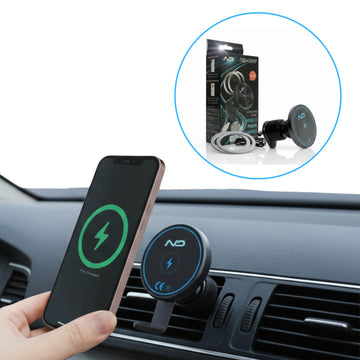


Connected vehicles simplify roadside assistance by automatically sharing important information with service providers, including:
- Exact GPS location
- Vehicle identification
- Diagnostic information
- Nature of the issue
As a result, service teams can arrive faster and often bring the correct tools or replacement parts, reducing waiting time and improving overall safety.
6. Intelligent Navigation & Route Optimisation
Modern connected navigation systems do much more than provide directions.
They analyse real-time traffic conditions and recommend safer, faster, and more fuel-efficient routes.
Additional features may include:
- Alternate route suggestions
- Estimated arrival times
- Fuel station locations
- EV charging station availability
- Toll information
- Road condition updates
Smarter navigation helps reduce travel time, stress, and unnecessary fuel consumption.

7. Remote Vehicle Monitoring
Many connected cars allow owners to monitor and control certain vehicle functions directly from a smartphone.
Depending on the manufacturer, users can:
- Track vehicle location
- Lock or unlock doors remotely
- Check fuel levels
- Monitor battery status
- View trip history
- Receive security alerts
These features add convenience while improving vehicle security.
Benefits of Connected Cars
Connected car technology offers numerous advantages for everyday driving and long highway journeys.
Key Benefits
- Faster emergency assistance after accidents
- Real-time traffic and hazard alerts
- Improved navigation
- Predictive maintenance alerts
- Reduced chances of roadside breakdowns
- Better driver fatigue management
- Enhanced vehicle security
- Greater peace of mind during long-distance travel

Limitations of Connected Cars
Although connected technology significantly improves road safety, it is not without limitations.
Some challenges include:
- Premium features are often limited to higher variants.
- Reliable mobile network coverage is required for some services.
- Software updates may occasionally be necessary.
- Certain connected services require paid subscriptions after the complimentary period.
Despite these limitations, the benefits generally outweigh the drawbacks for most highway drivers.
How Neodrift Helps Make Every Highway Journey Safer
Smart technology enhances vehicle safety, but driver comfort and cabin organisation are equally important during long highway journeys. Fatigue, poor posture, and unnecessary distractions can reduce driver concentration over time.
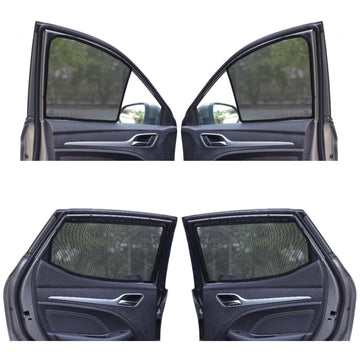
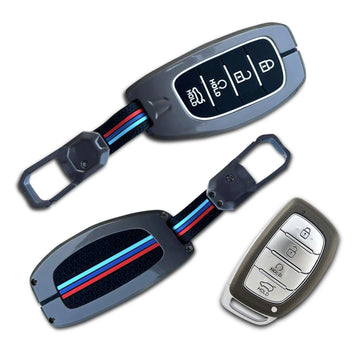
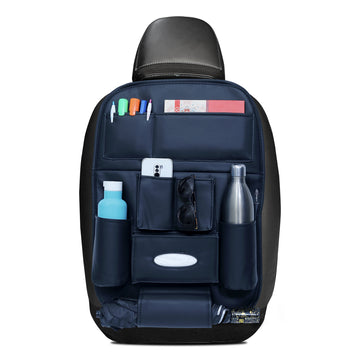
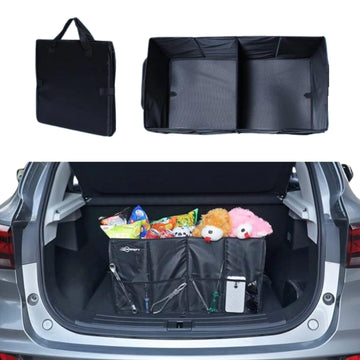
Neodrift offers premium car accessories designed specifically for Indian driving conditions to complement modern connected car technology. Custom-fit floor mats provide a secure and cleaner driving area, while ergonomic neck pillows, lumbar support cushions, and seat cushions help reduce fatigue and improve posture during extended drives. Magnetic window sunshades reduce cabin heat and glare, creating a more comfortable environment for both drivers and passengers. Seat organisers and boot organisers keep everyday essentials neatly arranged, helping minimise distractions and preventing loose items from moving around during sudden braking.
When paired with connected car features such as fatigue monitoring, navigation, and emergency assistance, Neodrift accessories contribute to a safer, cleaner, and more comfortable driving experience on every highway journey.

Safe Driving Tips for Every Highway Journey
Even with advanced connected technology, safe driving habits remain essential.
Always remember to:
- Follow speed limits.
- Wear your seat belt at all times.
- Avoid using your mobile phone while driving.
- Take regular breaks during long trips.
- Maintain proper tyre pressure.
- Service your vehicle on time.
- Keep your connected car software updated.
- Stay alert in changing weather conditions.
Technology should support responsible driving—not replace it.
Conclusion
Connected cars are no longer a futuristic concept—they are already making highways safer every day. Features such as automatic emergency assistance, predictive vehicle health monitoring, real-time traffic updates, intelligent navigation, and driver fatigue detection are helping reduce accidents and making long-distance travel more secure.
While no technology can eliminate every risk, connected vehicles provide drivers with valuable information and timely assistance when it matters most. Combined with regular vehicle maintenance, responsible driving habits, and practical accessories that improve comfort and organisation, every highway journey can become significantly safer and more enjoyable.
Whether you're travelling for work, family vacations, or weekend road trips, embracing connected car technology alongside premium accessories from Neodrift can help you enjoy every kilometre with greater confidence, comfort, and peace of mind.
Keep Reading, Keep Learning with us! Neodrift India
For Automotive News and Tips, Follow Neotips