

Blind Spots While Driving: How to Spot Them and Drive Safer
You know that moment when a bike appears out of nowhere beside you? You checked your mirrors, you signalled — and still, a vehicle was hidden from view. That hidden area is a blind spot, and it is one of the most common causes of lane-change accidents on Indian roads.
Blind spots trouble experienced drivers as much as new ones, whether you are crawling through city traffic or cruising on a highway. The good news: with correct mirror adjustment, one simple habit and a cleaner cabin, you can shrink them dramatically.

What is a blind spot in driving?
A blind spot is any area around your vehicle that you cannot see in your rearview mirror or side mirrors. The usual culprits are:
- The zone directly behind your vehicle
- The two diagonal areas along your rear quarters
- The area hidden by your front A-pillars
Motorcycles, cyclists, pedestrians and even hatchbacks can vanish into these zones — which is exactly why lane changes and turns are the riskiest moments of any drive.
Why blind spots are so dangerous
Risk multiplies in heavy city traffic, on multi-lane highways, in parking lots, at roundabouts, during rain or fog, and at night. A glance at your mirror is not enough. Miss a vehicle sitting in your blind spot and the result is a side-swipe, a panic brake, or a sudden swerve into the next lane.
Four mistakes that make blind spots bigger
1. Wrong mirror angle. Most drivers point their side mirrors too close to the car body. This duplicates what the rearview mirror already shows instead of widening your view.
2. Skipping the shoulder check. Even with perfectly set mirrors, a quick physical glance over your shoulder remains the single safest habit before changing lanes.
3. Trusting sensors blindly. Blind Spot Monitoring is useful, but sensors can miss a fast-approaching motorcycle or misread heavy rain and dust.
4. Blocking your own rear glass. Bags stacked on the parcel shelf or hanging off headrests wipe out your rear view entirely.

How to reduce blind spots in your car
Set your mirrors the right way:

- Adjust the rearview mirror so it frames the entire rear window — nothing more.
- Lean towards the driver's window, then set the right mirror until you can barely see the side of your car.
- Lean towards the centre console and set the left mirror the same way.
This removes the overlap between your three mirrors and widens total coverage.
Then build the habit: indicator on early → scan all three mirrors → shoulder check → move. In that order, every single time.
Keep a safe following distance. More gap means more reaction time when something emerges unexpectedly.
Stay out of other people's blind spots. Trucks, buses and SUVs have enormous ones. Never linger alongside them — either overtake cleanly or drop back where you are visible.

Weather makes blind spots worse.
Rain, dust and fog cut visibility even further, and a dirty mirror is a blind spot you created yourself. Through the monsoon, wipe your mirrors before every drive, clear water droplets from the glass, keep the windows clean and use an anti-fog treatment when the cabin mists up. A clear windshield genuinely changes how much traffic you can read around you.
How Neodrift helps you see and stay sharp
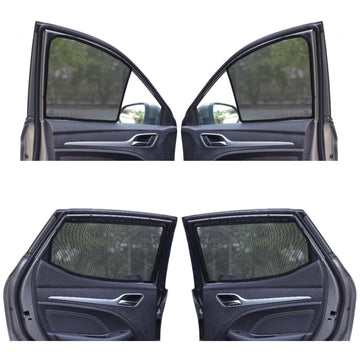
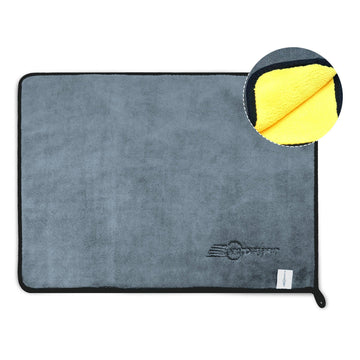
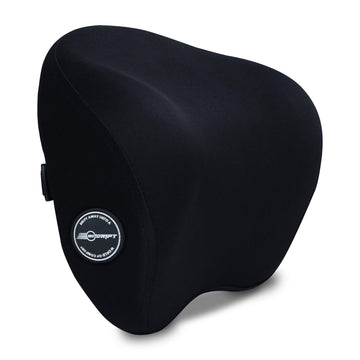
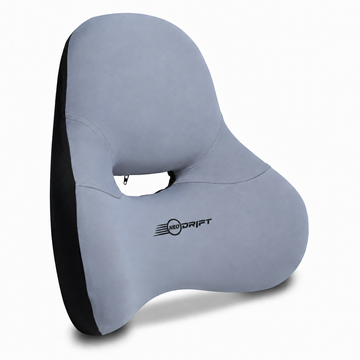
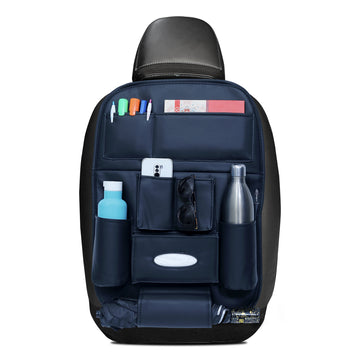
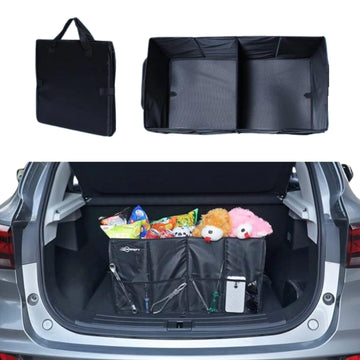
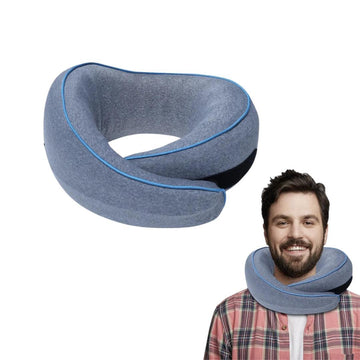
Safer driving starts with clear glass, low glare and a distraction-free cabin — and that is exactly where our accessories fit in. Neodrift sunshades cut cabin heat and windshield glare, so approaching vehicles on your flanks do not disappear into harsh afternoon light. Our microfibre cloths and detailing range keep mirrors, windshields and windows streak-free through dust and monsoon spray. Neodrift interior organisers stop loose bottles, cables and documents from sliding across your dashboard and stealing your attention at the wrong second. And our NeckFlow Pro neck cushions support your posture on long highway runs, because a driver who is not fatigued is a driver who still bothers to shoulder-check at hour four. Every detail, driven.
Final thoughts
Blind spots are part of every vehicle. The accidents they cause are not. Correct mirror geometry, a disciplined shoulder check, safe following distance and a clean, uncluttered cabin cover almost all of the risk.
The next time you get behind the wheel, do not let a hidden vehicle catch you by surprise. Stay alert, drive smart, and make every journey a safer one with Neodrift.
Keep Reading, Keep Learning with us! Neodrift India
For Automotive news and tips, follow Neotips!