

Do Car Covers Damage Paint? The Truth Every Car Owner Should Know
A car's paint isn't just about appearance—it protects the body from corrosion, weather damage, and environmental contaminants. Whether you own a brand-new vehicle or maintain a cherished older car, preserving the paintwork is essential for maintaining its value and visual appeal.
One of the most debated questions among vehicle owners is:
"Do car covers damage paint?"
The short answer is no—when used correctly, a high-quality car cover protects your paint rather than damaging it. However, poor-quality covers, improper use, or neglect of basic maintenance can create conditions that lead to scratches, swirl marks, trapped moisture, and surface wear.
In this comprehensive guide, you'll learn exactly how paint damage happens, when car covers become a problem, how to choose the right cover, and the best practices that professionals recommend to keep your vehicle looking showroom fresh.

Why Protecting Your Car's Paint Matters
Your vehicle's paint is constantly exposed to environmental hazards. Even when parked, numerous factors slowly degrade the clear coat.
Some of the biggest threats include:
- Harmful UV rays
- Dust and airborne pollutants
- Bird droppings
- Tree sap
- Acid rain
- Road salt
- Industrial fallout
- Pollen
- Moisture and humidity
- Accidental scratches
Over time, these contaminants oxidise paint, fade colours, weaken the clear coat, and reduce resale value.
According to automotive detailing experts, preventing damage is significantly easier—and less expensive—than correcting faded or scratched paint through polishing or repainting.

Do Car Covers Damage Paint?
The answer depends almost entirely on how the cover is used.
A premium, breathable, properly fitted car cover placed over a clean vehicle rarely damages healthy factory paint.
Problems usually occur because of user error rather than the cover itself.
The most common situations that lead to paint damage include:
- Covering a dirty vehicle
- Using a loose-fitting cover
- Trapping abrasive dust beneath the cover
- Using low-quality materials
- Allowing moisture to remain trapped
- Covering freshly painted vehicles before curing
When these mistakes are avoided, a quality car cover becomes one of the most effective ways to protect automotive paint.
How Car Covers Can Actually Cause Paint Damage
1. Dirt Trapped Between the Cover and Paint
This is the leading cause of scratches.
Dust, sand, pollen, and tiny debris act like sandpaper when the cover is installed or removed.
As the fabric moves, these particles rub against the paint, producing:
- Fine scratches
- Swirl marks
- Micro abrasions
Always wash your vehicle before installing a cover.

2. Loose Covers Create Friction
Wind is another major culprit.
An oversized cover continuously moves across the body panels.
Repeated rubbing eventually wears away the clear coat.
A custom-fit cover dramatically reduces movement.
3. Non-Breathable Materials Trap Moisture
Many inexpensive covers use plastic-like materials.
These may keep rain out but trap moisture underneath.
The result can include:
- Water spots
- Mold
- Mildew
- Corrosion
- Paint discoloration
Breathable fabrics allow moisture vapour to escape while still protecting against rain and dust.

4. Rough Inner Linings
Not all fabrics are created equally.
Budget covers sometimes have coarse inner surfaces that can scratch delicate finishes.
Premium covers typically include:
- Soft fleece lining
- Non-abrasive inner fabric
- Scratch-resistant materials
These reduce friction during installation and removal.

5. Covering Fresh Paint Too Soon
Fresh automotive paint requires time to cure.
Installing a cover too early may:
- Trap solvents
- Affect paint curing
- Leave marks on the finish
Always follow your paint shop's curing recommendations before using any cover.
Signs Your Car Cover May Be Causing Problems
Watch for these warning signs:
- New swirl marks
- Fine scratches
- Water spots
- Damp areas after removing the cover
- Paint haze
- Dirt accumulation beneath the cover
If you notice any of these, inspect both the cover and your maintenance routine.
Choosing the Right Car Cover
Selecting the right cover is far more important than simply buying the cheapest option.
Look for these features.
Breathable Multi-Layer Fabric
Allows moisture to escape while protecting against dust, UV rays, and rain.
Soft Inner Lining
A soft inner layer minimises friction and protects the clear coat.
UV Protection
Outdoor vehicles require UV-resistant materials that reduce fading and oxidation.
Secure Fastening System
Elastic hems and reinforced straps prevent excessive movement during windy conditions.
Reinforced Stitching
High-quality stitching improves durability and extends the life of the cover.
Custom Fit
A custom-fit cover closely follows the vehicle's shape, reducing fabric movement and improving overall protection.

Indoor vs Outdoor Car Covers
Indoor Covers
Indoor covers are designed primarily for:
- Dust protection
- Scratch prevention
- Soft contact with paint
- Garage storage
They are lightweight and highly breathable.
Outdoor Covers
Outdoor covers protect from:
- UV rays
- Rain
- Bird droppings
- Tree sap
- Dust
- Pollution
- Wind
They typically use multi-layer weather-resistant materials while maintaining breathability.

Best Practices for Using a Car Cover
Following a few simple habits significantly extends both your cover's lifespan and your vehicle's finish.
Wash Before Covering
Never install a cover over a dirty vehicle.
Dry the Vehicle Completely
Moisture trapped beneath the cover increases the risk of water spots.
Remove Leaves and Debris
Even small particles can scratch paint when pressure is applied.
Keep the Cover Clean
Wash your cover according to the manufacturer's instructions.
A dirty cover cannot effectively protect a clean vehicle.
Allow the Cover to Dry
Never fold or store a wet cover.
Dry storage prevents mildew and unpleasant odours.
Inspect Regularly
Check both the cover and the vehicle periodically for trapped debris or signs of wear.
Common Myths About Car Covers
Myth: Every Car Cover Scratches Paint
Fact: Properly fitted, clean, high-quality covers rarely scratch healthy paint.
Myth: Waterproof Covers Are Always Better
Fact: Complete waterproofing without breathability can trap moisture. Breathable, weather-resistant fabrics often provide better long-term protection.

Myth: Cheap Covers Offer the Same Protection
Fact: Material quality, inner lining, fit, and construction directly affect how well a cover protects your vehicle.
Good Practices vs Mistakes
| Good Practice | Avoid |
|---|---|
| Wash the vehicle before covering | Covering a dirty vehicle |
| Use breathable fabric | Plastic tarps |
| Choose a custom-fit cover | Loose oversized covers |
| Store cover dry | Folding while wet |
| Clean the cover regularly | Ignoring dirt buildup |
| Secure straps properly | Allowing the cover to flap in the wind |

How Neodrift Supports Better Paint Protection
Choosing the right car cover is only part of protecting your vehicle—quality, fit, and material engineering also play an important role.
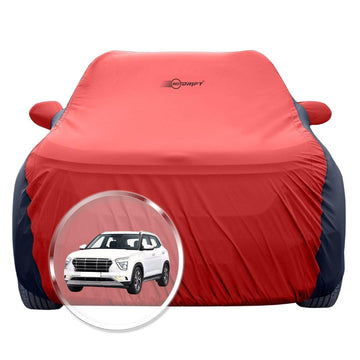
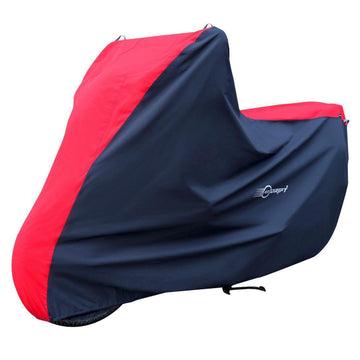
Neodrift designs vehicle-specific car covers that prioritise practical paint protection by combining breathable, multi-layer fabrics with features that reduce unnecessary friction and improve everyday usability. Depending on the product series, Neodrift covers incorporate soft inner materials, UV-resistant construction, reinforced stitching, elasticised hems, secure locking provisions, and mirror pockets for a more stable fit.
A well-fitted, breathable car cover helps minimise movement during windy conditions while allowing moisture vapour to escape, reducing the likelihood of trapped condensation. These design elements support the best practices discussed throughout this guide and can help vehicle owners protect their paintwork during both indoor storage and outdoor parking.
Ultimately, regardless of the brand you choose, selecting a high-quality, breathable, custom-fit car cover and using it correctly is one of the most effective ways to preserve your vehicle's finish over the long term.
Final Thoughts
Car covers don't automatically damage paint—poor maintenance and improper usage do.
When used correctly, a premium breathable cover acts as a protective barrier against UV radiation, dust, bird droppings, pollution, moisture, and other environmental hazards that slowly degrade automotive paint.
The key is simple:
- Keep both the vehicle and the cover clean.
- Choose a breathable, high-quality, custom-fit design.
- Secure the cover properly.
- Inspect it regularly.
- Avoid trapping moisture or debris.
Following these best practices can help preserve your vehicle's finish, reduce long-term maintenance costs, and maintain its resale value for years to come.
Whether your car is parked in a garage or exposed to the elements every day, investing in the right car cover—and using it properly—is one of the smartest steps you can take to protect your vehicle's appearance.
Keep Reading, Keep Learning from us! Neodrift India
Also, for more automotive news, follow us on Neotips!