

India's Shift Towards Smarter Highway Travel
India is steadily moving towards smarter highways, and GNSS Satellite Tolling is emerging as the next major step in modernising toll collection. While many reports have suggested that FASTag will soon disappear, the current reality is more nuanced. The Government of India is testing advanced Satellite Toll Collection, Barrier-Free Tolling, and Multi-Lane Free Flow (MLFF) technologies through pilot projects, with FASTag continuing as the country's primary toll payment system. Understanding GNSS Tolling in India is essential for motorists, fleet operators, and frequent highway travellers as India's transport infrastructure continues to evolve.

What Is GNSS Satellite Tolling?
GNSS Satellite Tolling is a technology-driven toll collection system that uses satellite positioning to calculate toll charges based on the exact distance a vehicle travels on a tolled highway. GNSS stands for Global Navigation Satellite System, which determines a vehicle's location through satellites instead of relying solely on physical toll plazas.
Unlike conventional toll booths, this Distance-Based Tolling system allows vehicles to travel continuously without stopping. A vehicle's location is tracked, the travelled distance is calculated, and the applicable toll is automatically deducted through a connected payment system.
This approach aims to make toll collection faster, more transparent, and more efficient while reducing congestion on busy Indian highways.
How Does GNSS Tolling Work?
The proposed system combines several technologies to enable seamless toll collection.
Satellite-Based Vehicle Tracking
A compatible onboard device or approved tracking technology determines the vehicle's location using satellite signals throughout the journey.
ANPR Toll System
High-speed cameras equipped with Automatic Number Plate Recognition (ANPR) identify vehicles entering and exiting toll roads. These cameras work alongside digital payment systems to verify journeys and improve enforcement.
Automatic Toll Calculation
Instead of paying a fixed amount at a toll plaza, motorists are charged only for the distance travelled. This makes toll payments more equitable, especially for drivers who use only a portion of a highway.

FASTag vs GNSS: What's the Difference?
Although both systems support digital toll collection, they operate differently.
FASTag uses RFID technology attached to a vehicle's windscreen. Drivers still pass through toll plazas where scanners deduct the toll amount from their linked account.
In contrast, GNSS Satellite Tolling removes the need for traditional toll barriers by calculating toll charges using satellite positioning and vehicle tracking.
The key differences include:
- FASTag relies on RFID readers at toll plazas.
- GNSS uses satellite positioning and digital tracking.
- FASTag generally charges at fixed toll points.
- GNSS supports accurate Distance-Based Tolling.
- GNSS enables Barrier-Free Tolling and smoother traffic flow.

Benefits of Smart Toll Collection
The transition towards Smart Toll Collection offers several advantages for Indian road users.














- Shorter waiting times at toll plazas.
- Reduced fuel consumption caused by idling in queues.
- Lower vehicle emissions due to uninterrupted movement.
- Fair toll charges based on actual highway usage.
- Improved travel efficiency for commercial transport and logistics.
- Better traffic management on major expressways and national highways.
For freight operators, these improvements can translate into faster deliveries and reduced operating costs.
Current Rollout Status in India
Despite widespread speculation, FASTag has not been replaced nationwide.
According to the Ministry of Road Transport and Highways (MoRTH), no nationwide decision has been taken to replace FASTag with GNSS-based tolling. Instead, the government is introducing Barrier-Free Tolling through pilot projects that integrate ANPR Toll System technology with the existing FASTag infrastructure.
The National Highways Authority of India (NHAI) and related agencies are evaluating these systems at selected toll plazas before considering wider implementation. The phased rollout allows authorities to assess technical performance, user experience, and operational efficiency before expanding the technology across India's highway network.

What This Means for Indian Motorists
For everyday drivers, there is no immediate action required. FASTag remains mandatory for toll payments on national highways, and motorists should continue using it as usual.
However, travellers can expect to see more pilot projects featuring Multi-Lane Free Flow (MLFF) and Satellite Toll Collection technologies in the coming years. As these systems mature, toll collection could become faster, more accurate, and almost invisible, making long-distance road travel significantly more convenient.
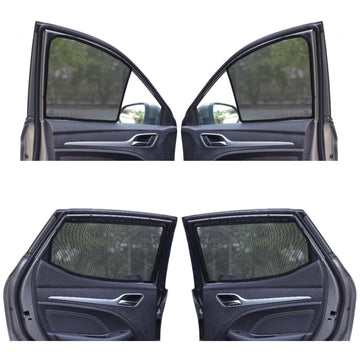
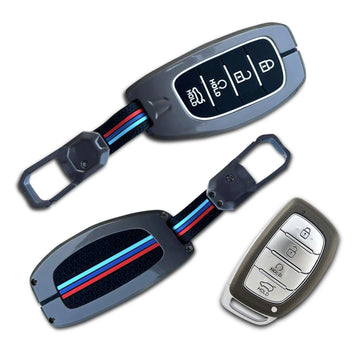
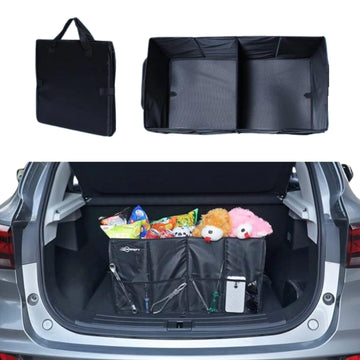
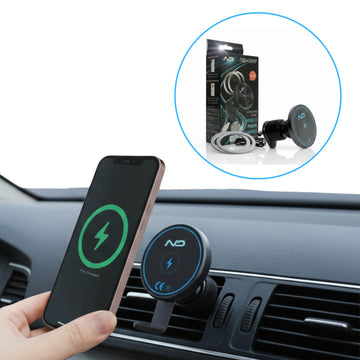
While smart tolling technologies are making highway travel more seamless, vehicle preparedness remains equally important. Reliable automotive accessories from Neodrift, including premium car covers, sunshades, seat organisers, and microfiber cleaning products, help keep vehicles protected from dust, heat, and daily wear. Whether you're commuting within the city or embarking on a long highway journey, these practical accessories contribute to a cleaner, more comfortable, and road-ready driving experience.
The Future of GNSS Tolling in India
India's vision for intelligent transportation extends beyond digital payments. Technologies such as GNSS Satellite Tolling, ANPR Toll System, and Multi-Lane Free Flow (MLFF) are expected to support a smarter, safer, and more efficient highway ecosystem.

Although FASTag will remain the backbone of electronic toll collection for the foreseeable future, ongoing pilot projects indicate the direction India's transport infrastructure is heading. As these technologies evolve, motorists can expect reduced congestion, improved traffic flow, and a more efficient tolling experience built around digital innovation.
The future of GNSS Tolling India is not about replacing FASTag overnight—it is about gradually creating a smarter, barrier-free highway network that benefits both individual motorists and the country's growing transportation sector.
Keep Reading, Keep Learning with us! Neodrift India
Also, for more automotive news, follow us on Neotips!