

Introduction
Finding a parking space has become one of the biggest challenges in Indian cities. Roads are often lined with parked vehicles, leaving little space for moving traffic. This results in congestion, pollution, accidents, and delays for commuters.
Managing on-street parking is not only the responsibility of governments but also of citizens. With proper planning, smart technology, and responsible parking habits, Indian cities can become safer and more efficient.
Why On-Street Parking Is a Serious Issue?
The number of vehicles in India is increasing every year, while road infrastructure is growing much more slowly. Many commercial areas and residential colonies do not have sufficient parking facilities.
Some major reasons include:
- Rapid growth in vehicle ownership.
- Lack of designated parking spaces.
- Illegal roadside parking.
- Weak enforcement of traffic rules.
- Heavy dependence on private vehicles.
- Problems Caused by Improper On-Street Parking
Traffic Congestion
Vehicles parked on roads reduce the available driving space, creating bottlenecks and increasing travel time.
Road Safety
Improper parking blocks visibility at intersections and pedestrian crossings, increasing the risk of accidents.
Air Pollution
Traffic jams caused by parked vehicles lead to unnecessary fuel consumption and higher carbon emissions.
Delays in Emergency Services
Ambulances and fire engines often struggle to pass through narrow roads blocked by parked vehicles.
Economic Loss
Drivers spend valuable time searching for parking, while businesses may lose customers due to parking difficulties.
Practical Solutions to Save On-Street Parking
1. Smart Parking Systems
Mobile applications and smart sensors can help drivers locate available parking spaces quickly, reducing unnecessary traffic.

















2. Paid Parking Policy
Charging reasonable parking fees discourages long-term roadside parking and improves parking turnover.
3. Strict Enforcement
Traffic authorities should use CCTV cameras, e-challans, and regular inspections to prevent illegal parking.
4. Multi-Level Parking
Building multi-level parking facilities near markets, offices, hospitals, and metro stations can reduce pressure on roads.
5. Improve Public Transport
Reliable buses, metro systems, and shared mobility services encourage people to leave private vehicles at home.
6. Better Urban Planning
Future city planning should include dedicated parking zones, wider footpaths, and cycling infrastructure.
What Citizens Can Do?
Everyone can contribute by following simple practices:
- Park only in authorised parking areas.
- Avoid parking on footpaths or near intersections.
- Follow traffic rules.
- Use public transport whenever possible.
- Walk or cycle for short distances.
- Report illegal parking to local authorities.
- Benefits of Better Parking Management
- Effective parking management offers several advantages:
- Reduced traffic congestion.
- Improved road safety.
- Lower fuel consumption.
- Cleaner environment.
- Faster emergency response.
- Better experience for commuters and businesses.
How Neodrift Helps Protect Your Vehicle on Indian Streets
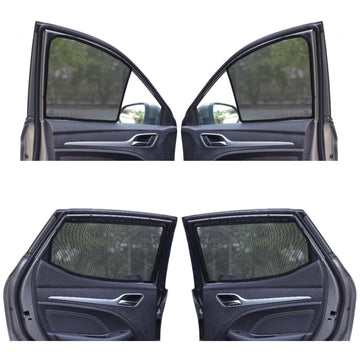
Until parking infrastructure catches up, most vehicles in India end up parked outdoors — exposed to dust, sun, rain, and scratches. Neodrift offers a smart, affordable layer of protection with water-resistant car covers, bike covers, 7D floor mats, magnetic sunshades, and custom-fit seat covers — all made-to-order for your exact model. Shield your car or bike from UV rays, monsoon showers, and roadside wear with premium car and bike accessories online.
Conclusion
On-street parking is a growing challenge in Indian cities, but it can be managed through smart planning, technology, strict enforcement, and public cooperation. Every responsible parking decision helps create smoother traffic flow and safer roads. By working together, governments and citizens can build cleaner, more organised, and more sustainable cities for the future.
Keep Reading, keep Learning with us! Neodrift India