

From the Jeep to the EV: 6 Cars That Defined Independent India
A country's history is usually told through its leaders. It can just as easily be told through what its people drove.
In 1947, owning a car in India meant importing one, waiting years for it, or inheriting it. Today India is one of the world's largest passenger vehicle markets. The road between those two points runs through a handful of machines that were never just transport — they were status, aspiration, and for millions of families, the first thing they ever owned with four wheels.
Here are six of them.

1. The Mahindra Jeep (1947–1949)
Independent India's first vehicle story begins almost exactly with Independence itself. Mahindra began assembling Willys Jeeps in 1947, the same year the country was born. It was rugged, indifferent to bad roads, and repairable by any mechanic with basic tools — qualities that made it the default choice for the army, for farmers, and eventually for anyone living beyond the reach of tarmac. Seventy-five years later, the Thar is still selling on the strength of that silhouette.
2. The Hindustan Ambassador (1958)
The "King of Indian Roads" earned the title honestly. Built by Hindustan Motors and derived from the Morris Oxford, the Ambassador carried ministers, bureaucrats, doctors and wedding parties for over five decades. Its cabin was enormous, its suspension forgave potholes that would break modern cars, and its parts were available in every small town in the country.
It stayed in production until 2014 with remarkably little changed. That was both its charm and, ultimately, its problem.
3. The Premier Padmini (1964)
If the Ambassador belonged to Delhi, the Padmini belonged to Bombay. Based on the Fiat 1100 and built by Premier Automobiles, it became the black-and-yellow taxi that defined the city's streets for generations — appearing in more Hindi films than most actors. The last Padmini taxi was retired from Mumbai roads in 2023, and the city genuinely mourned it.
4. The Maruti 800 (1983)
No car changed India more. Before the 800, a car was something a family aspired to across a decade. After it, a car became something a middle-class household could realistically plan for. Small, light, reliable and cheap to run, it put an entire generation behind the wheel and created the service ecosystem — driving schools, spare parts networks, second-hand markets — that the modern Indian car industry still runs on.
Most people reading this learned to drive in one, or were driven somewhere important in one.



5. The Tata Indica (1998)
The Indica mattered because of who designed it. It was the first passenger car conceived and developed in India, by Indians, rather than licensed from a foreign manufacturer. The early cars had their flaws and the reviews said so. But it proved the country could design a car end to end, and everything Tata builds today traces back to that decision.
6. The Tata Nano (2008) — and what came after
The Nano was meant to move families off two-wheelers and onto four. Engineering-wise it was extraordinary. Commercially it struggled, largely because it was marketed on price in a market where a car is a statement, not a purchase.
Its failure taught the industry something important: Indian buyers were no longer settling. That expectation shaped everything since — the compact SUV boom, safety ratings becoming a selling point, and now electric vehicles moving from novelty to normal.
Where Neodrift fits
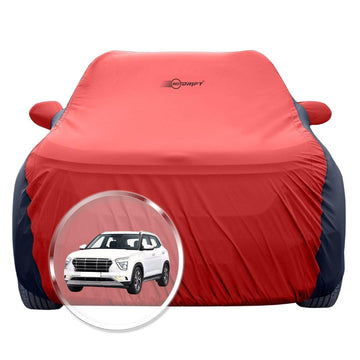
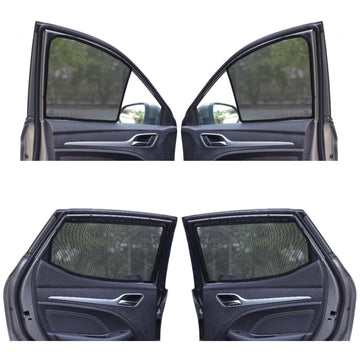
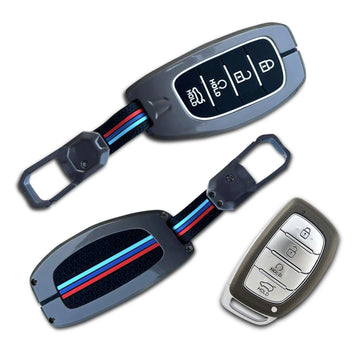
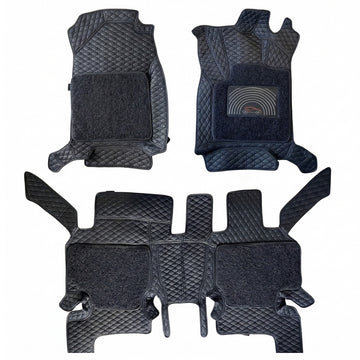
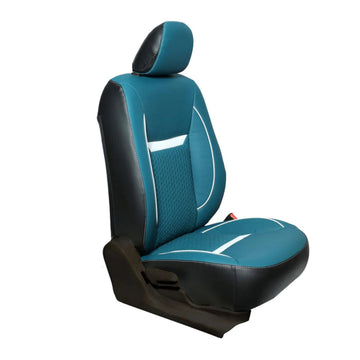
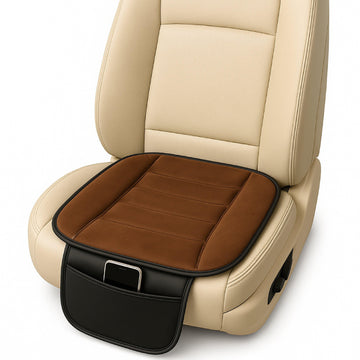
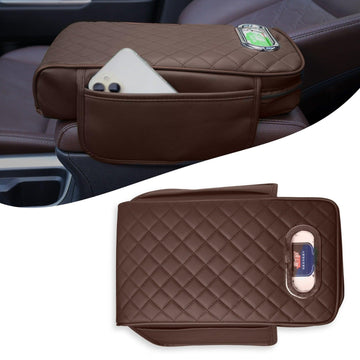
We think about this history more than most, because we still build for it. A 1994 Maruti and a 2026 EV have completely different door frames, floor pans and window geometry, which is why universal-fit accessories rarely fit anything well. Every Neodrift cover and mat is made to order for a specific model, including the older cars people refuse to give up on. Keeping a well-loved car protected is a small way of keeping its story going.
What the next chapter looks like
The pattern across all six cars is the same: each one made driving accessible to a group of people who couldn't do it before. Jeeps opened up rural India. The 800 opened up the middle class. Electric vehicles and cheaper financing are doing the same thing again right now.
Whatever ends up on this list in twenty years, it will have earned its place the same way.
What was your family's first car? We'd love to hear about it.
Happy Independence Day. Every detail, driven.
Keep Reading, Keep Learning with us! Neodrift India