

Underground parking keeps your car safe from harsh sun, monsoon rain and dust — but the same sheltered, quiet environment is exactly what rats and mice look for when they need a warm nesting spot. In Indian apartment societies, basement parking rat problems have become one of the most common (and most expensive) hidden car issues.
Rodent damage in cars is far more serious than a bit of dirt under the bonnet. Rats chew through electrical wiring, rubber hoses, insulation padding and even plastic engine covers — leading to warning lights, starting trouble, short circuits and repair bills that can easily run into thousands of rupees. If your car lives in a society basement, the good news is that a few consistent habits can dramatically reduce the risk of rat damage to your car engine.
Here's how to protect your car from rats in underground parking, step by step.
1. Keep All Food and Food Smells Out of Your Car
Rats are driven by smell, and even invisible food traces can attract them. Never leave biscuit packets, chips, chocolates, tiffin leftovers, fruit peels or food wrappers inside the cabin. Regularly clean under the seats, glove box, door pockets, cup holders and boot to remove crumbs.
Also keep pet food, bird seed, dry rations and open garbage bags away from your parking slot. If the basement dustbin area is attracting rodents, raise it with your RWA or maintenance team — this is the single biggest source of society parking rat infestations.
2. Choose Your Parking Spot Strategically
Where you park matters. Avoid slots close to garbage bins, open drains, damp corners, storerooms, gardening areas or any spot where rodent activity has already been reported. A cleaner, brighter, better-ventilated section of the basement is always the safer choice for your vehicle.
If you can't change your allotted slot, report overflowing waste bins, stagnant water, cluttered corners and repeated sightings to building management. Persistent complaints usually get results.
3. Inspect the Engine Bay Regularly
Make it a habit to open the bonnet every few days and look for warning signs of rats in the car engine: droppings, shredded paper or cloth, dried leaves, food fragments, foul smells or bite marks on wires, rubber hoses and insulation. Pay close attention to the area around the air filter, battery, wiring harness and cabin filter housing — these are favourite rat hiding spots in cars.
This two-minute check is especially important if the car has been standing unused for a few days.
4. Protect Your Car Wiring from Rat Damage
Chewed wiring is the most expensive rodent damage in cars. If your locality has a known rat problem, ask your workshop about proper anti-rodent wiring protection — options include protective sleeves, anti-rat tape and professionally fitted mesh guards.
Important: never wrap or cover air intakes, drive belts, moving parts or hot engine components with random cloth or plastic. Any anti-rat protection for cars must be installed correctly so it does not interfere with cooling, ventilation or safe engine operation.
5. Use Rat Repellents for Cars — Carefully
Vehicle-specific rat repellent sprays are widely available in India and can act as a useful additional layer of defence. Always follow the label instructions, apply only to recommended areas of the engine bay, and keep sprays well away from hot surfaces, sensors and electrical connectors.
Home remedies for rats in cars — peppermint oil, cinnamon, clove, cedar, vinegar, naphthalene balls — are commonly recommended for disrupting rodent scent trails. They can help, but results are inconsistent, the smell fades quickly, and they should never be your only line of defence. Treat them as a supplement, not a solution.
6. Push for a Cleaner Basement
Your car may not actually be the problem — the environment might be. If rats already live in and around the basement, protecting one engine bay will only shift the issue to the next car.



Ask your maintenance team to seal entry points, fix open drains, clear food waste and clutter, and arrange regular professional pest control. A clean basement is the most effective long-term protection against rodent damage to parked cars.
7. Don't Leave the Car Standing for Too Long
An unused car is a rat's dream — quiet, warm, undisturbed for days. If you travel frequently or drive rarely, ask a family member, neighbour or your society's car care service to start the car, open the bonnet and check it every few days.
Regular movement and inspection make it far easier to spot droppings, nesting material or fresh wire damage before it becomes a major repair.
8. Watch for Early Warning Signs
Never ignore a musty or foul smell from the engine bay, scratching or rustling sounds, sudden electrical faults, flickering warning lights or unexplained starting issues. These are classic symptoms of rat damage in cars. If you notice significant damage, get the vehicle inspected by a qualified mechanic before driving further — a chewed wire can escalate into an electrical fire.
Catching the problem early usually means a small repair. Ignoring it almost always means a big one.
What to Do If You Find a Rat Nest in Your Car
If you discover a nest or a large quantity of droppings, do not start the engine immediately. First, visually inspect wires, hoses, plastic covers and the air filter for chewed or disconnected parts. If anything looks damaged, get the car checked before driving.
When cleaning out a nest, wear gloves and a mask, and avoid stirring up contaminated dust — rodent droppings can carry disease. For a heavy infestation, it's safer and more effective to call in professional car detailing or pest control services.
The 2-Minute Pre-Drive Check for Basement Parkers
If your car has shown any signs of rat activity, spend two minutes doing this before you drive off:
Walk around the tyres and look underneath for droppings or nesting material. Open the bonnet and scan the engine bay. Check for any new warning lights on the instrument cluster. If anything looks off, get it inspected before hitting the road.
How Neodrift Helps You Keep Your Car Protected
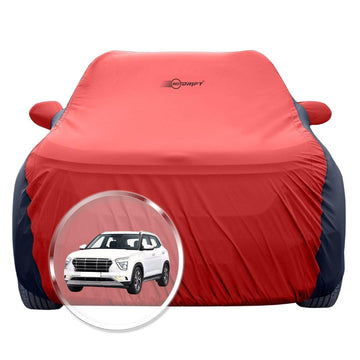
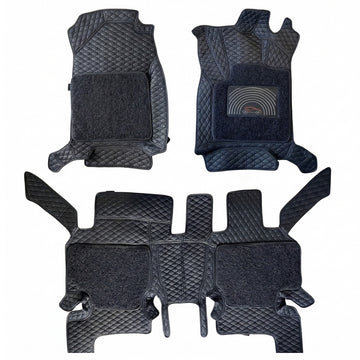
While Neodrift can't chase the rats out of your society basement, our range of car care essentials helps you maintain the clean, well-kept vehicle that's far less likely to attract them in the first place. A model-fit car cover adds a physical barrier over your parked car, keeps the body free of basement dust and droppings, and makes it easier to spot any unusual activity around the vehicle. Our 7D floor mats are easy to lift out and shake clean, so food crumbs and spills don't sit trapped in your cabin carpet — one of the biggest hidden rodent attractants inside a car. Pair them with our ShineKit microfiber detailing range for quick weekly interior wipe-downs, and a car perfume to keep the cabin smelling fresh instead of stale. Clean car, covered car, cared-for car — that's the combination that keeps both dirt and unwanted visitors away.
The Bottom Line: Protecting Your Car from Rats in Indian Basements
Protecting your car from rats in underground parking comes down to two things: removing what attracts them, and catching activity early. Keep food and waste out of the cabin, park in the cleanest slot available, inspect the engine bay regularly, take chewed wiring seriously, and use anti-rat sprays or professional wiring protection as backup — not as your only defence.
Combine three or four of these habits, and you'll dramatically reduce your risk. A few minutes of prevention every week is far cheaper than a wiring harness replacement.
Keep Reading, Keep Learning from us! Neodrift India