

Introduction
You know that moment when something shifts not gradually, but all at once? That's exactly what happened with electric vehicles in India. One day, we were dismissing EVs as "not for Indian roads," and the next, we were seeing Nexon EVs at every other traffic signal. And no, this didn't happen by accident.
Tata Motors made it happen. Deliberately. Boldly.

We Needed a Change — Badly
Ask anyone who has driven through Delhi in peak summer, windows down, stuck in traffic. The air hits different and not in a good way. India's pollution crisis had been building for years, and our dependence on petrol and diesel wasn't helping anyone.
At the same time, fuel prices kept climbing. Every trip to the pump felt like a small punishment. People were frustrated, and rightly so.
The government was trying. The FAME scheme gave buyers real financial reasons to consider EVs. BS6 emission norms pushed manufacturers to get serious about cleaner engines. India's Paris Agreement commitments added urgency to the whole conversation. The pieces were there — someone just needed to put them together.
Tata Motors raised its hand.
The Nexon EV Wasn't Just a Car — It Was a Statement
Here's what most people don't realise. Building an EV for India is not the same as building one for Germany or California. Our roads have potholes that could swallow tyres whole. Our summers regularly cross 45 degrees. Our monsoons turn city streets into mini rivers. Any EV that wanted to survive here had to be built differently.
Tata Motors knew this. So instead of spending years designing something from zero, they took the Nexon, a car Indians already trusted and rebuilt it as an electric vehicle. Twelve to sixteen months. That's all it took. The speed alone is jaw-dropping when you think about what went into it.
The battery they designed was liquid-cooled, built specifically for extreme Indian temperatures. It carried an IP67 rating, making it water-resistant and dust-proof not just on paper, but after real-world testing in conditions that would make most cars give up. The certified range crossed 250 kilometres, and the instant torque? Let's just say once you drive electric, going back to petrol feels a little boring.
They didn't cut corners on safety either. Crash tests, hot and cold chamber testing, and water-wading trials, the Nexon EV went through all of it before it ever reached a showroom.

The Charging Problem And How Tata Solved It
For a long time, the biggest argument against buying an EV in India was simple: "Where will I charge it?"
It's a fair question. Range anxiety is real, especially in a country where charging stations aren't exactly on every corner.








Tata Motors didn't leave buyers to figure that out alone. They partnered with Tata Power and started building out a charging network across cities, on highways, at dealerships, and in public spaces. Home charging units came bundled with the car itself. Fast chargers were added so you weren't waiting half a day to top up.
This is what made the difference. Tata didn't just sell a product; they built an ecosystem around it. And that ecosystem made switching to electric actually feel possible for ordinary Indian families, not just early adopters with deep pockets.

Something Shifted in How India Thought About EVs
Before the Tata Nexon EV, electric vehicles in India had an image problem. People thought they were either too expensive, too impractical, or too boring. Something you bought to make an environmental statement, not because you actually wanted to drive it.
That perception didn't survive contact with the Nexon EV.
Suddenly, neighbours were asking neighbours about range and charging costs. Office parking lots started looking different. Auto journalists who had been sceptical started writing differently. The Indian electric vehicle industry went from niche to mainstream conversation in what felt like a blink.
Tata Motors didn't just launch a car. They shifted the culture.

Make Every Drive Count with Neodrift
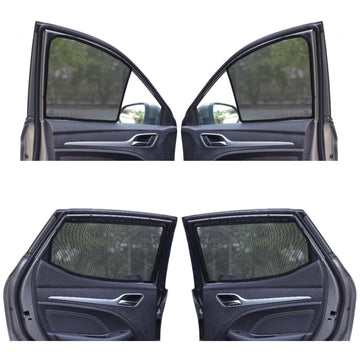
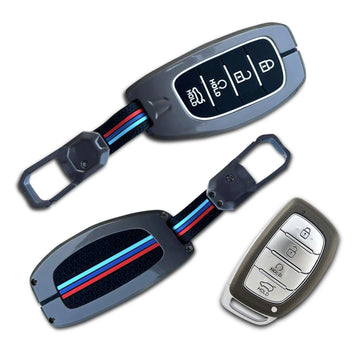
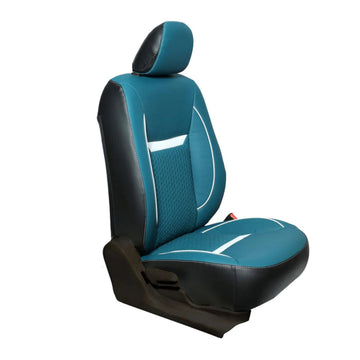
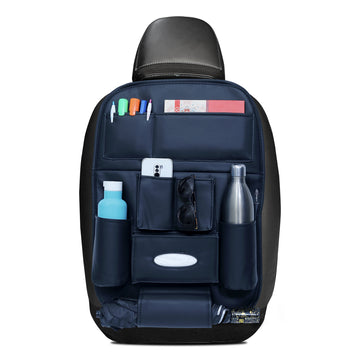
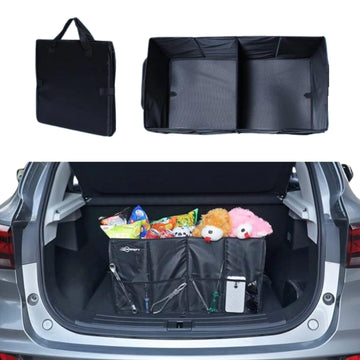
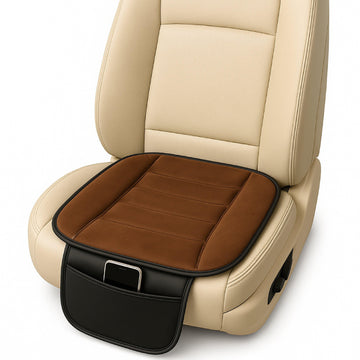
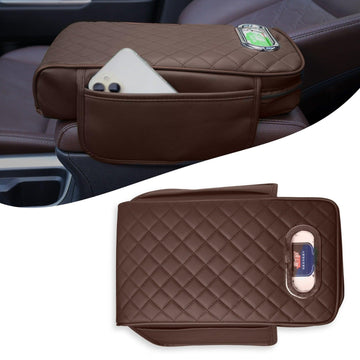
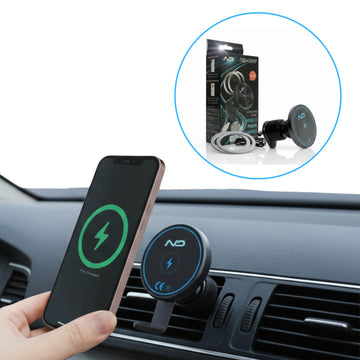
Switching to an EV is one of the best decisions you can make, and pairing it with the right accessories makes it even better. Neodrift offers a fantastic range of premium car accessories designed for Indian conditions. Their water-resistant car covers keep your vehicle protected from rain and dust alike. Add custom-fit seat covers, quality organisers, and smart interior accessories, and your EV feels less like a commute and more like an experience. If you care about your car, and clearly you do, Neodrift is worth a look.

Where Do We Go From Here?
The honest answer is upward. Battery costs are dropping every year. More charging points are coming up across smaller cities and highways. Government support isn't slowing down. And a generation of Indian buyers has already made peace with the idea of never stopping at a fuel station again.
The future of electric vehicles in India is not some far-off promise anymore. It's already parked in residential societies, zooming down expressways, and quietly charging overnight in garages across the country.
Tata Motors saw this future before most of us did and then went and built it. That's not just good business. That's a legacy.
Keep Reading, Keep Learning from us! Neodrift India