

The purchase of a car is amongst the most significant financial decisions that Indian households make. Once the model has been finalized, perhaps the most crucial question arises: should you buy the car with cash or take a car loan? While there are merits to both the options, the actual answer lies in understanding ownership cost, upfront cost, monthly payments, flexibility, and long-term value.
Let’s break this down in a simple, practical way.
Understanding Cash Purchase: Paying Everything Upfront
A cash purchase means you pay the full on-road price of the car at once, without borrowing from a bank. At face value, this appears to be the cheapest option as you avoid interest payments.
Benefits of CAS for Car Purchases
- Stress-free monthly payments and EMI
- The car is somewhat less expensive because there is no interest charge
- Immediate full ownership – peace of mind
- Better negotiation power with dealerships
Demerits of Cash Purchase
- Higher purchase costs, which can deplete savings
- Loss of liquidity refers to money tied up in an undervalued asset
- Missed opportunity to invest that money at other places and build equity
In the Indian context, where cars depreciate at a high rate, a large lump sum investment in a car may limit your financial flexibility.
Understanding Car Loans: Spreading the Cost Over Time
It enables you to pay an upfront amount towards the cost of the car and then repay the rest through EMIs in 3 to 7 years, depending on interest rates of 9 to 11 percent.
Advantages of Acquiring a Car Loan
- Reduced initial investment, which facilitates savings maintenance
- Improved cash flow management
- Opportunity to invest savings in other assets
- Builds credit history
Disadvantages of Car Loans
- Increased total cost from interest rate
- Long-term financing through fixed monthly payments
- Slightly higher insurance and processing costs
Though loans generate interest, financial flexibility is provided by loans, which is more beneficial than the concept of savings.
Which Option Saves More Money in the Long Term?
It all depends on how you manage your finances.
In case you pay in cash but end up depleting your pool of funds in case of emergencies or forgoing other opportunities that could serve as better investments, the “benefit” you may end up gaining could be merely illusory. On the other hand, if you resort to getting a loan and then investing the extra funds into instruments that could generate more returns compared to the cost of the loan, you could actually be on the gainers side.
From a long-term value perspective:









- Cash purchase saves interest charges
- Purchasing a loan preserves investment potential and liquidity
- A balanced strategy (moderate down payment plus short loan term) is most effective for many Indian buyers
Ownership Costs Go Beyond the Purchase Price
Whether you buy with cash or loan, ownership costs remain the same. These include:
- Fuel costs (mileage dependent)
- Regular maintenance and servicing
- Tyres, repairs, and wear & tear
A car that has improved mileage, as well as lower maintenance costs, is always a better deal, irrespective of how you are going to finance it.
Why Accessories and Maintenance Choices Matter
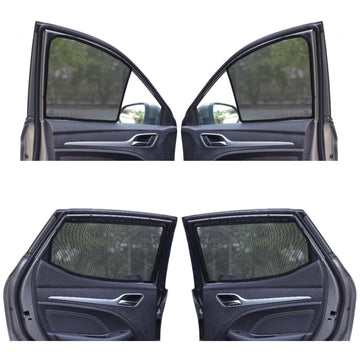
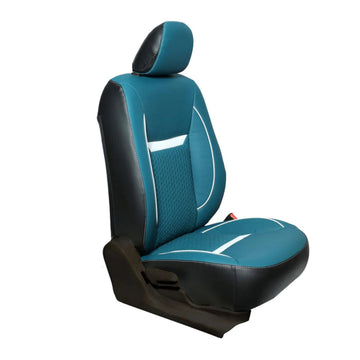
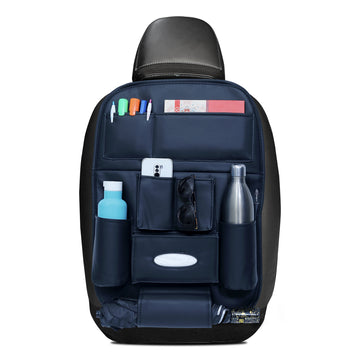
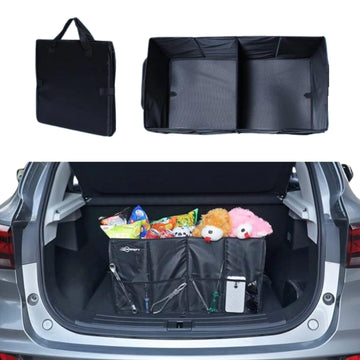
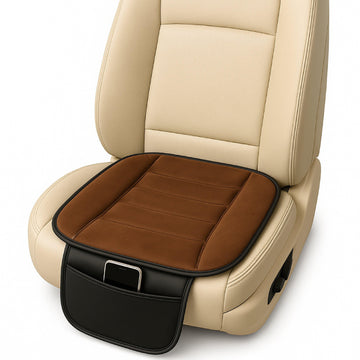
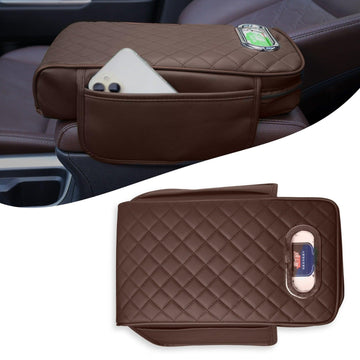
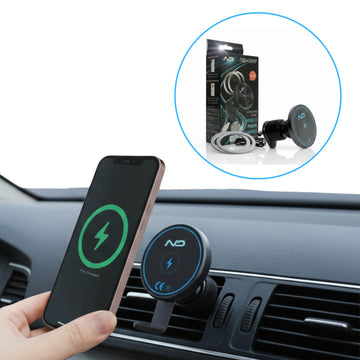
This is where making wise choices can greatly enhance your ownership experience. This could include choosing quality car accessories or protection solutions that could add to comfort, reduce wear and tear, or preserve the second-hand value of your vehicle.
For example, organisations such as Neodrift focus on the type of car accessories that are of significant use to the owner, including car interior accessories. Regardless of the payment mode of the car, whether it is bought with cash or with the help of a loan, the early installation of car accessories will be of great assistance in maintaining the car.
Flexibility: A Key Factor Often Ignored
Cash car buyers are “locked in” as soon as they pay the money, while those who take car loans have the flexibility to pay off the loan ahead of schedule, further choosing to refinance the car loan or even sell the vehicle while still handling the cash flow concerns of the business entity.
In a fluctuating economy, flexibility may be more valuable than conserving a few lakhs of interest.
Therefore What Do You Select?
Cash Purchase is Better If:
- You have extra funds that do not affect your emergency savings
- You dislike debt of any kind
- You intend to retain the car for quite a long time
Car Loan is Better If:
- You want to conserve your cash and liquidity
- If you productively want to invest the savings made by you
- You want to have flexibility with predictable payments
Conclusion
Car loan vs cash purchase: There is no right answer to this dilemma. It is not a black and white issue anymore. It relies on your financial discipline and your financial requirements. You should not compare car loan with cash purchase on pure interest paid or interest earned on your car.
A car can be considered a utility rather than an investment in assets. The smartest money move is to have healthy money in general and live comfortably in terms of money in everyday life.
1 comment
mPokket
In this blog, you’ll explore a practical comparison between car loans and cash purchases in India to find out which option can save you more money in the long run.