

One common dilemma most Indian car owners face while upgrading one's car is whether an exchange offer at a dealership is the best route, or to sell the car off privately. On the face of it, exchanges promise convenience while private sales claim higher returns. But which one really puts more money in your pocket?
Now, let's break it down in simple terms, considering price, effort, tax benefits, risk, and real-world practicality.
What Are Exchange Offers?
An exchange offer is where you can trade in your existing car at a car showroom while buying a new one. The car is evaluated, and an amount given based on that is subtracted from the price of a new car. Car manufacturers also have special exchange offers during festivals or seasons with some extra benefits.
Pros of Exchange Offers
- Speed and convenience: One-stop solution, to buy a new car the same day you sell your old one.
- Tax advantage: GST is computed on the net price after exchange value in many Indian states, which lowers tax expenditures.
- No worry about paperwork: The dealer is in charge of RC transfer, insurance, and paperwork.
- Without a car, there is no gap: You never go without a vehicle.
Cons of Exchange Offers
- Dealers typically offer wholesale prices rather than market prices, which results in lower valuation.
- Limited ability to negotiate: Dealerships are skilled bargainers.
- Bonuses for exchanges could be deceptive: Frequently modified by lowering discounts elsewhere
Exchange offers typically put ease ahead of maximum money.
What Does Selling Privately Mean?
Listing your vehicle on marketplaces or local classifieds and interacting with buyers directly are the steps involved in selling privately.
Benefits of Private Selling
- An increase in the selling price You may demand for retail or market value.
- Improved pricing control Absence of middleman margins
- Negotiation space: Typically, buyers are not professionals but rather individuals.
Selling your car privately frequently yields a higher upfront payment if it is in demand, well-maintained, and has low mileage.









Demerits of Selling Privately
- Time-consuming process: Photos, ads, calls, test drives.
- Fraud risk & scamming: There's a risk for fake buyers.
- Responsibility of paperwork transfer: RC transfer and ownership change fall on you
- Timing issue: You may not have access to transportation while looking for a new car
Undoubtedly private selling pays more but it costs you time, effort, and peace of mind.
When Exchange Offers Make More Sense
- Your car is old with high mileage or no resale in market
- You want a quick upgrade
- You don't want to deal with the buyers or paperwork
- You value time more than extra cash
When Selling Privately Is Better
- Your car is well maintained
- It is clear to you that you want maximum value
- You’re comfortable negotiating
- You can manage paperwork short-term inconveniences
Don’t Ignore Ownership & Maintenance Factors
Car buyers, whether dealers or private consumers, carefully examine the ownership history, mileage, condition, and maintenance records of a vehicle. Vehicles that appear to be well-maintained, neat, and accessorised are typically priced higher.
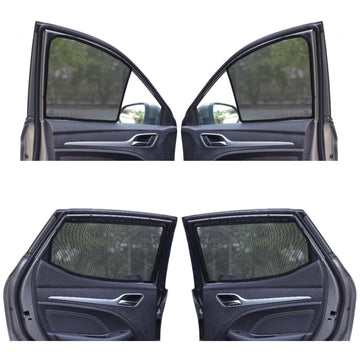
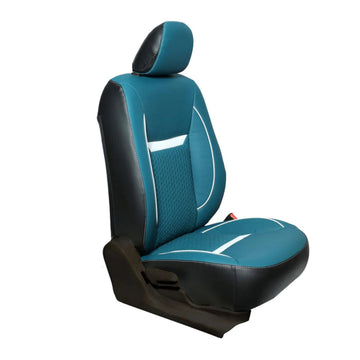
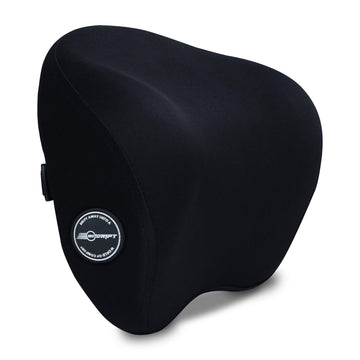
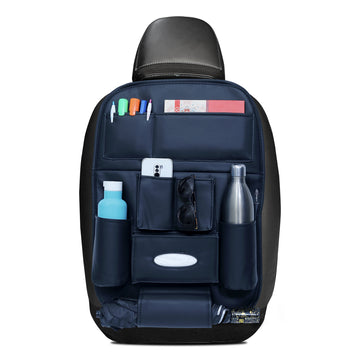
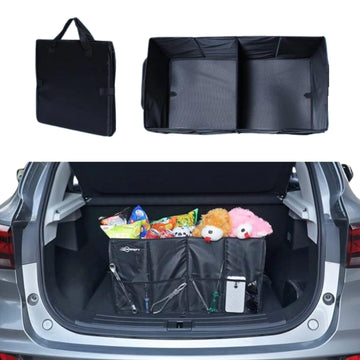
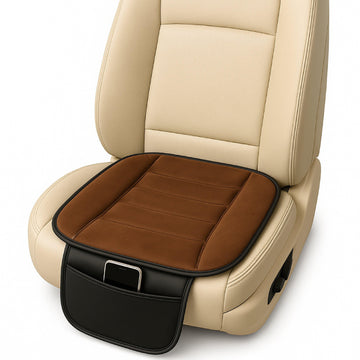
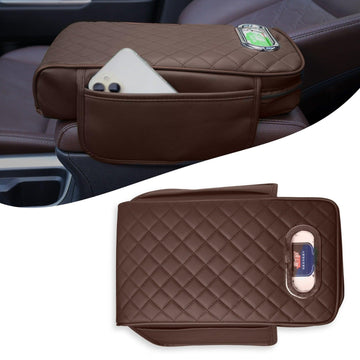
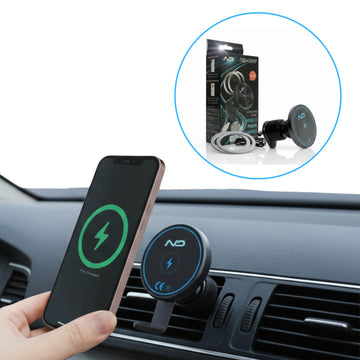
It is at this point that smart car buying decisions come in. Employing the use of quality accessories from Neodrift or other manufacturers like that from the seat covers, floor mats, organisers, and comfort accessories can go a long way towards maintaining the interior. It is worth the effort since maintaining the interior can sometimes boost the value.
Conclusion
Hence, the question is: Which pays you more, exchange offers or private sales?
If one were simply looking for a financial return, a private sale would always be more lucrative. On the other hand, an exchange offer scores higher when it comes to ease, speed, and stress levels. The smart car buyer will weigh these two factors and decide what is best suited to their lifestyle.