

Your car is running great, the air conditioner is working, and there are no weird noises from the engine when you turn it on in the mornings. All may be going wonderfully well, so what could be the reason why your car's resale value keeps going down every year?
The answer to the above question is car depreciation; it's a slow, inevitable decline in value that occurs even when your vehicle seems reliable and perfectly alright.
It is very important for Indian car owners to understand depreciation, mainly because a car is often the second-biggest purchase after a house in India. Let's break this down in simple terms.
What Is Car Depreciation?
In simple terms, car depreciation refers to the gradual loss of your car's value over time.
The moment a new car leaves the showroom, its real value starts to decline by 8–12% in the Indian market. Depending upon brands, models, and demand in the market, the value decline could actually touch 20–25% in the very first year itself.
Properly cared for, the typical car is worth only 40–50% of the original cost after five years. The rate of depreciation slows after that but never actually stops.
Factors Affecting Car Depreciation
Age: Time Is Not on Your Side
One of the major causes of car depreciation is age. A seven-year-old car in very good condition would cost less compared to one which is three years old.
-
Buyers from India are extra careful when it comes to used cars, as the warranty period generally expires after 3–5 years.
-
Newer emission norms, such as BS6, make older models less desirable.
-
Age impacts the cost of loans and insurance.
In other words, even though the car is fine to you, more wear is expected with increasing age by buyers.
Mileage: Every Kilometer Counts
One of the significant factors affecting resale value is mileage. A car with more miles on the odometer is considered to have more mechanical wear.
This is regarded as the "ideal" usage in India—10,000–12,000 km annually. Anything much higher devalues the car rather quickly, no matter how smooth the car drives.
Condition: Looks and Feel Matter
Depreciation is greatly affected by the mechanical and aesthetic condition of your vehicle.
Important areas considered by customers immediately:
-
Interior: non-functional buttons, faded dashboards, and torn seats
-
External: rust, paint fade, dents, and scratches
-
Clutch response and Engine Smoothness
Even the slightest cosmetic defect results in depreciation of the perceived value. Purchasers may also believe the car is poorly maintained if it appears so on the inside or outside.
Brand and Model: Reputation Matters
Car depreciation in the Indian market is largely affected by the reputation of the car’s brand and model.
The demand for used cars that come from companies with high reliability and relatively low maintenance costs drives the depreciation rate to be slower.
But for models that have low fuel economy and high servicing costs, the depreciation is more pronounced, despite their quality.
Market Demand: Forces Beyond Your Control
Car depreciation is very subtly but highly impacted by market demand.
Examples for the same in India include the following:
-
When the fuel prices increase, petrol SUVs or diesel luxury cars depreciate faster.
-
Due to shortages of supply, used car prices might rise temporarily.
-
The overnight popularity of EVs may bring down demand for older petrol model variants of cars.
These uncontrollable factors will directly affect the resale value of your car.
Accidents and Damage: Long-Term Effect
Accidents and structural damage reduce resale value, even when the repair work has been done by professionals.
The customers are worried about:
-
The safety of driving the car
-
Damage in its frame
-
Mechanical problems that might be hidden
All these details will come out when insurance history and the service record are checked.
Upgrades and Modifications: Not Always a Good Idea
Although they may sound exciting, custom upgrades and modifications often hurt resale value.






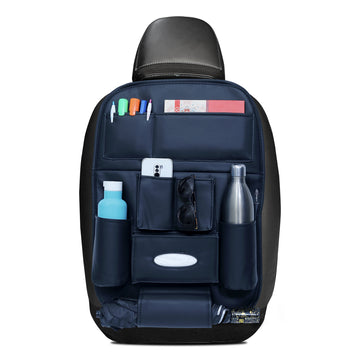
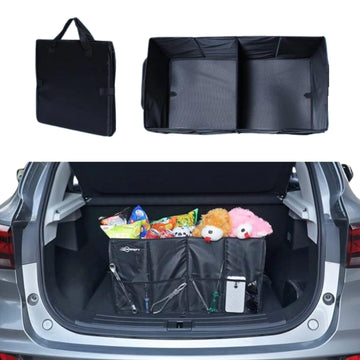

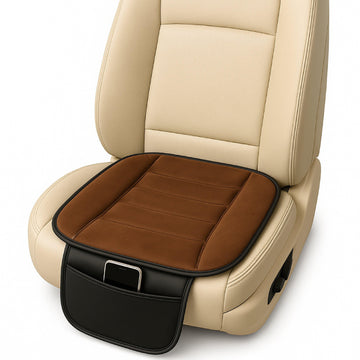
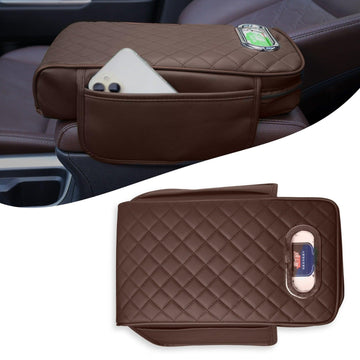
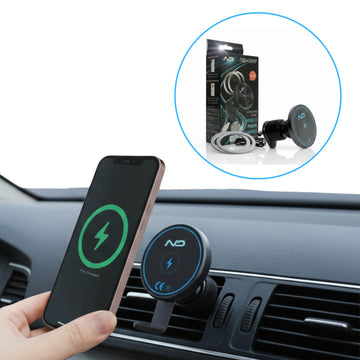
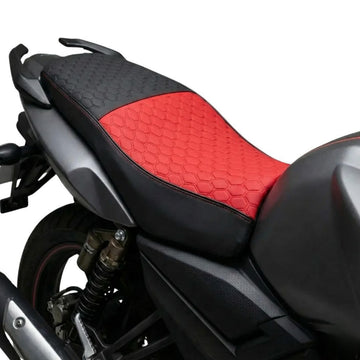
Examples include:
-
Overly large alloy wheels
-
Heavy body kits
-
Aftermarket exhausts
-
Loud audio systems
Since modifications raise questions about the vehicle's stress and legality, most buyers would go for the stock car.
Mechanical Problems and Outdated Technologies
Older model features may reduce demand even if you are maintaining a good condition for your vehicle.
-
Lack of airbags and reversing camera
-
Outdated safety standards
-
Lack of touchscreen infotainment
Even before a failure occurs, small mechanical issues such as wear and tear on the clutch or noises from the suspension components also accelerate the process.
Harsh Weather Conditions in India
The Indian weather patterns also affect the deprecation of cars.
Extreme weather conditions, including heat waves and the monsoon season along the coastline, may affect:
-
Interior
-
Rubber parts
-
Paint
-
Electrical components
Open parking, along with the effects of sunlight, tends to depreciate the vehicles faster than those that are parked in parking lots.
Can You Slow Down Car Depreciation?
A car depreciation cannot be prevented, but its effects can be reduced.
One can:
-
Maintain clean interiors and exteriors
-
Service the car as and when required
-
Limit the mileage
-
Make no unnecessary alterations in the car
-
Park the car in protected or shaded areas
Another smart approach to slow down depreciation is to buy a secondhand ca
Why Are Neodrift Accessories Important?
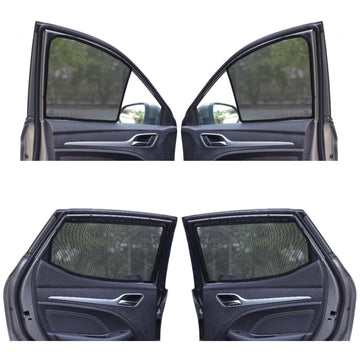
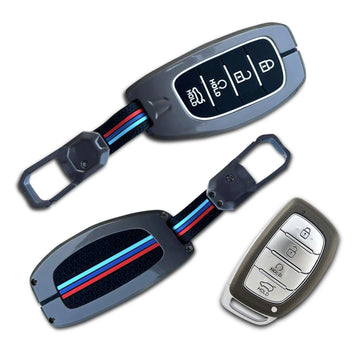
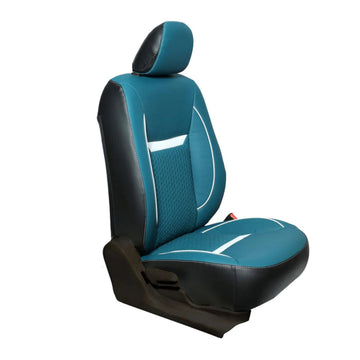
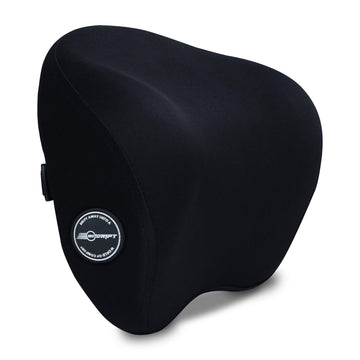
The companies dealing in luxury car features, therefore, like Neodrift, help owners maintain an appealing look and condition of their vehicles for a considerable period of time.
High-quality seat covers, interior protection, exterior accessories, and comfort-enhancing add-ons can reduce daily wear and tear to a minimum.
These products help to protect the vehicles from damage caused by heavy use, rain, dust, heat, and long daily drives—most of which Indian drivers are plagued by.
Features like this can assist in slowing down car depreciation and reducing the annual value drop, making the vehicle more attractive for resale markets by keeping both the exterior and interior condition intact.
Conclusion
Even though your car may feel reliable, cozy, and familiar, its value is still subtly diminished with age, mileage, condition, brand reputation, market demand, and environmental factors each year.
Understanding car depreciation means you can make better purchasing decisions, take better care of your car, and sell it at the right time.
As with any commodity, your feelings while driving are just as important as what you can't see financially.
Keep Reading, Keep Learning with us at Neodrift.in