

One of such tech-savvy features is the cruise control which appears ideal on a shiny brochure. You fix a speed, you relax your right foot and imagine that you are on a smooth ride — in a dream world. However, it is different on Indian roads. Contrary to the unreliable traffic, horse-play lane etiquette and everything in between, I have witnessed a great number of drivers banging their heads against the wall: is the cruise control really applicable in our country, or is it one more gadget that no one is using?
To be honest with answering it, we will delve into the performance of the cruise control in real Indian driving. We will base it on a practical test at one of the Indian highways and not on textbook theory.
What the Cruise Control is Really Intended to Do
Cruise control has been designed to suit the long continuous distances of highway with a constant, slow-moving flow of traffic. When you press the button, the car maintains a preset speed that does not require you to pound the accelerator. This is able to reduce fatigue among drivers, increase comfort and even save fuel should you remain on it properly.
On paper, or on a deserted motorway, it is ideal. However, there is a bit more chaos on our roads.
The Reality of Indian Roads
I have witnessed that roads in India are improving, definitely. Most of the streets are now six lanes, tarmac and fast. Nevertheless, the biggest challenge does not lie on the quality of the road but the manner in which individuals operate in it.
Examples of real-life problems are:
-
Trucks piling up in the middle or right lane.
-
Two-wheelers racing across lanes without any notice.
-
Lane switching cars without signals.
-
Unanticipated delays due to diversions or toll lines.
-
Inability to see when it is rainy or misty.
Due to this reason, it may be hard to maintain speed without pressing the brakes.
Experience: What Really Occurs
We tried cruise control at speeds of approximately 70 km/h on a six-lane highway on a trial basis in a national highway. It was raining and there was moderate traffic, like India on a good day.
The results were telling:
-
The longest straight cruise control was about 4 minutes.
-
The average time to brake was 1.5 to 3 min.
-
Slow trucks, blockage on the lanes, and road diversions were the most frequent reasons to switch it off.
So the verdict? Cruise control may be utilized on Indian highways though only in short controlled stretches.
The Cruise Control Works Well in India
Cruise control is not exactly useless, despite the limitations. It does a decent job when:
-
Commuting in the morning or during the night.
-
Traffic density is low
-
Streets are in a straight line and well marked.
-
You are riding at constant speeds in long distances.
Cruise control can also reduce fatigue in the drivers on these portions, particularly on the extended journeys that we all wish we could have.


When Cruise Control Doesn’t Create Sense
It falls apart when:
-
The traffic is unpredictable or a lot of traffic.
-
Diversions or construction zone occur often.
-
Lane discipline is sketchy
-
Weather drops visibility
-
You must have constant braking or passing.
During such instances, a manual car will be more controlled and faster to react.
Why it is Difficult in Indian Conditions
In contrast to the developed countries, Indian highways have to deal with mixed traffic — cars, trucks, bikes, tractors, and in some cases pedestrians. This combined with random use of lanes, and a cruise control becomes more a situational convenience than an everyday useful feature.
That is why a lot of drivers claim that they felt disappointed after using it several times and they never switch it on once again.
Cruise Control: Is it Useful in India?
The truth of the matter is yes, but with conditions.
Cruise control in India is applicable in:
-
Decreasing tiredness in long and empty highway sections.
-
Keeping steady speeds
-
Improving driving comfort
However, it cannot be trusted to be used on most Indian highways on a regular basis.
Imagine it is a comfort feature — not a smart driving aid.
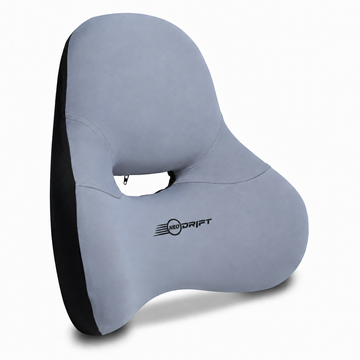
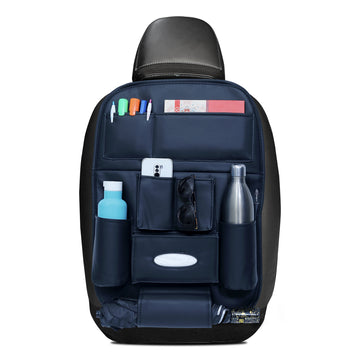
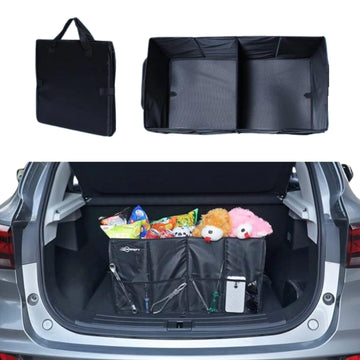
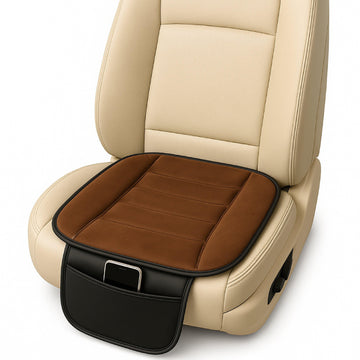
Use Neodrift Accessories to Make Long Drives Better
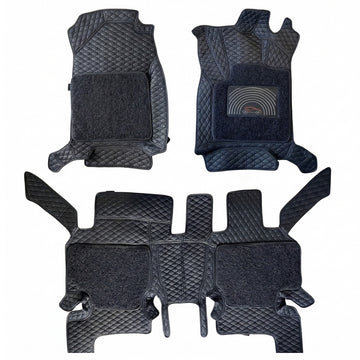
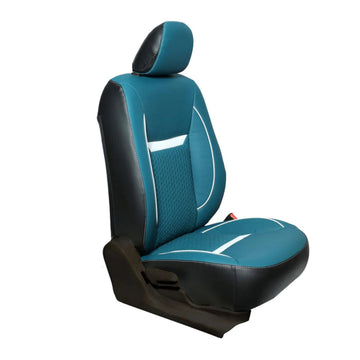
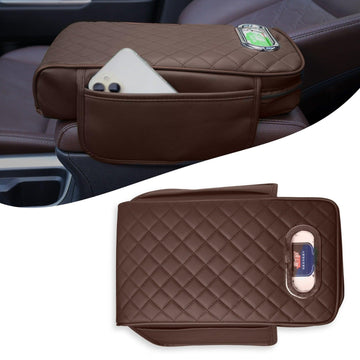
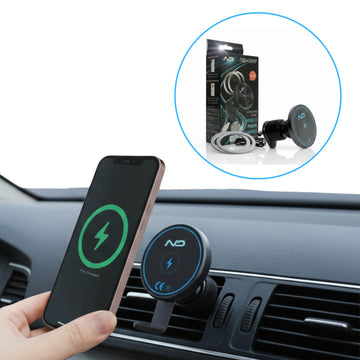
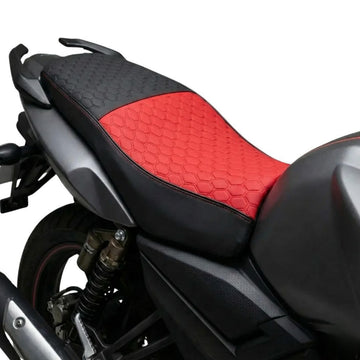
The requestable feature of cruise control does not mean that the correct gear will not uplift your ride, regardless of the mayhem of the traffic. Neodrift unveils considered car accessories that suit the Indian conditions, such as water-resistant covers, interiors and travel-friendly options.
You can take them out on a long road trip or go through traffic every single day in the city, these accessories protect your car against the elements, saw wear, and keep it cleaner, so every one of your trips becomes much more comfortable and stress-free.
Conclusion: The Ultimate Conclusion
Cruise control is not a failure and a necessity in India. It works well in the highways which have those stretches that have light traffic and practiced driving, but it has problems in the day-to-day Indian traffic.
In case you enjoy long highway journeys, it comes in handy. When you have a majority of your driving and kicks around traffic-filled routes that have many stops and go around, you will hardly notice it.
Conclusion: Understand when to use the cruise control and when your foot needs to remain on the ground. It makes it more comfortable used wisely; it may be irritating used blindly — as riding the ever-sensitive Indian roads.
Keep Reading, Keep Learning with us at Neodrift.in