

The Automotive landscape in India is about to go through the largest overhaul in the last few decades. The recently signed India-EU Free Trade Agreement (FTA), hailed as the "mother of all deals," promises to revolutionize the way Indian consumers purchase cars, the way manufacturers compete and what the future holds for the country's booming auto market.
What Is The India-EU Trade Deal?
On January 27, 2026, India and European Union ended its semester-long negotiations and signed a landmark free trade agreement. This historic pact establishes a free trade zone between nearly 2 billion people on two continents. For the car industry, this deal is the biggest market opening that India has ever made.
Key Changes:
- Import duties on European cars reduced from 70-110% to 10% over the next five years
- Duty on auto components will be fully removed in five to ten years
- Unprecedented liberalization of India's heavily protected automobile market
Breaking Down the Tariff Cuts: Pulling up the cost of cars
Currently, purchasing a luxury European car in India means paying astronomical import duties - 70% on vehicles below $40,000 and 110% on higher priced vehicles. Under the new India-EU FTA, the tariffs will fall to 10% over five years for a quota of 250,000 vehicles a year.
What This Means for Prices: For Indian consumers, luxury cars that currently cost around 1 crores of rupees, are projected to see a reduction in prices by 20-30% which will make premium European brands such as Mercedes-Benz, BMW, Audi and Porsche more accessible to a wider audience.
Who Wins? European Automakers Get Their Golden Ticket
The India-EU trade deal opens the door to the world's third largest passenger vehicle market - over 4.3 million units annually and growing fast. For European manufacturers such as Volkswagen, Renault, BMW, Mercedes-Benz and Stellantis, this is a huge opportunity that they have been waiting decades to seize.
Current Market Status:
- European carmakers have less than 4% of India's car market
- Market dominated by Japanese giant Suzuki Motor (through Maruti Suzuki)
- Homegrown champions Tata Motors and Mahindra & Mahindra control majority share
- FTA gives European brands their best fighting chance yet to gain market share
German Engineering association VDMA said it was "a day of celebration for export-oriented mechanical engineering," illustrating the importance of this deal for car-making giants in Europe.
The India Advantage: Manufacturing Hub to Challenge China
This isn't just about imports - European car makers can now take advantage of India's cheap manufacturing costs and produce cars for the world market. Renault India is looking at exporting left-hand drive vehicles to Europe, while Mahindra and Mahindra is looking at the UK market with electric vehicles by 2026-27.
With Chinese automakers taking more than 6% of the EU market, India is the ideal counterweight in the eyes of European manufacturers, a stable manufacturing hub that will help them compete globally while lessening the dependence on China.
There Are Now a Few Questions for Us: "What about the Indian Automakers?" Competition Intensifies
Market Reaction:
When the deal was announced, shares of Indian automotive giants tumbled:
- Mahindra & Mahindra fell up to 5%
- Maruti Suzuki fell 1.5%
- Tata Motors fell 1.3%
The Upside for Indian Manufacturers:









However, the reciprocal agreement gives Indian manufacturers duty-free access to export up to 625,000 vehicles to the EU markets, which opens unprecedented European opportunities. Indian auto component manufacturers also benefit a great deal, with the EU accounting for 30% of India's component exports. Zero duties on auto parts will increase technology partnerships and foreign investments.
The Consumer Impact: Greater Choices - Greater Technology
For the Indian car-buyers, this deal is a game-changer. Expect to see:
Lower prices on luxury imports: Luxury European cars becoming potentially 20-30% more affordable over time
Greater model variety: Niche & high-performance vehicles previously too expensive to import
Advanced technology inflow: The European expertise in the field of electric vehicles, autonomous driving and safety features
Increased competition: Domestic players will have to innovate more quickly in order to maintain market share
The luxury car segment, which today is only 1% of India's passenger vehicle market, may experience explosive growth as prices become more affordable to aspirant buyers.
Chronology and Geopolitical Situation
The agreement needs between five and six months of legal vetting before coming into effect in 2026. This timing is strategic - with the US imposing 50% tariffs on Indian exports, India was in need of alternative markets, and fast. The EU in the meantime was interested in diversifying supply chains, away from the chinese grand conflict.
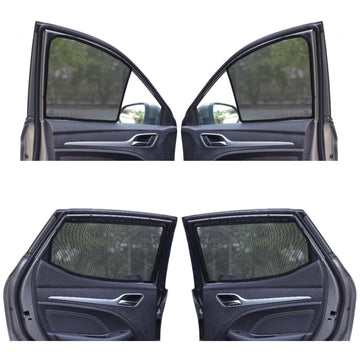
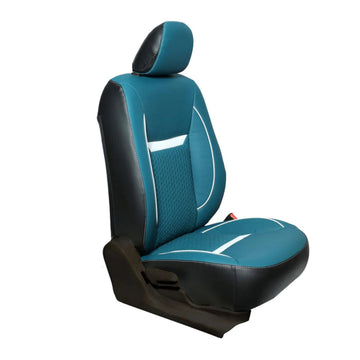
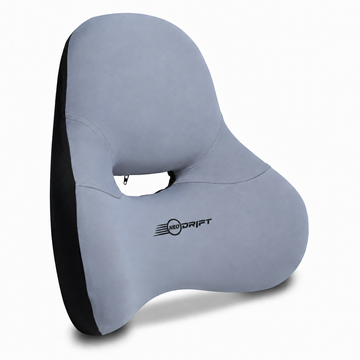
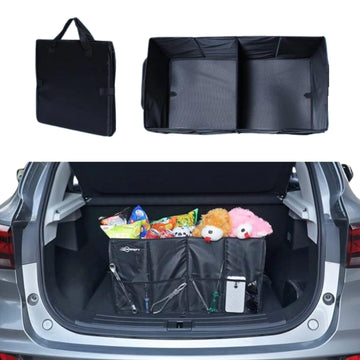
Protect Your Investment with Luxury Car Accessories by Neodrift
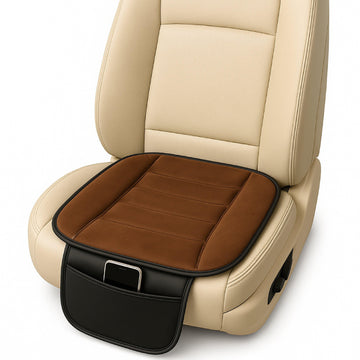
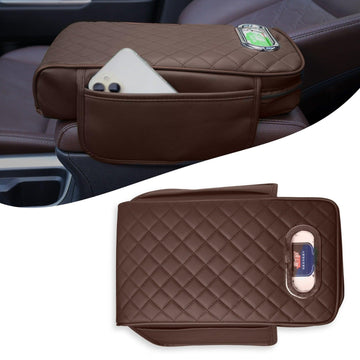
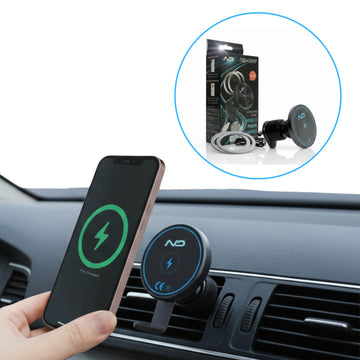
Whether you're thinking of purchasing a European luxury car at these new lower prices or you already own a premium vehicle, protecting your investment is very important. Neodrift has a full line of high-quality car accessories that will keep your car in showroom condition. From custom fit car covers to seat protectors . Neodrift is a leading combination of quality craftsmanship and modern design. As the automotive market is evolving and more premium vehicles hit the Indian roads, it is more important than ever to ensure that your car is protected against the harsh weather, daily wear and tear and potential damage. Visit Neodrift today to check the accessories that match the quality of your vehicle.
Conclusion: A New Era to Indian Automotive
The India-EU FTA fundamentally changes the face of India's automotive sector. Indian consumers benefit in terms of better prices and greater choice. European manufacturers have access to one of the fastest growing markets in the world. Indian automakers are under pressure to innovate as well as having the opportunity to export to Europe.
The Bigger Picture:
As India is on its pathway towards its "Viksit Bharat" by 2047 vision, this deal will establish India as a global powerhouse of automotive manufacture. The mother of all deals isn't just this changing tariff rates, but is changing the way cars are made and sold and driven between two continents, creating a different competitive dynamic that challenges Chinese dominance but growth opportunities for innovation on both sides.
For more such valuable information, Keep reading, keep learning with us at neodrift.in
1 comment
Anmol Singhi Blogs
Big change for cars in India 🚗—I also wrote a Suzuki Jimny review, so do check it to see how real-world cars fit into this new era.