

The Complete Monsoon Guide
The first monsoon shower feels like a blessing — until you look at your car. One drive through a waterlogged street in Mumbai, a kachcha road in Gurgaon, or a village bypass in Kerala, and your freshly washed car looks like it just finished a rally stage. Mud splatter on the doors, grime on the wheel arches, water spots on the bonnet.
Here's the thing most car owners in India get wrong: they either ignore the mud for days ("baarish mein dhona kya faayda, phir gandi ho jayegi") or they grab a dry cloth and wipe it off immediately. Both mistakes cost you your paint.

Why You Shouldn't Let Mud Sit on Your Car
Skipping the post-rain wash feels harmless, but mud is more than just wet soil:
Mud contains fine abrasive particles — silica, grit, and road debris — that bond to your clear coat as they dry. Rainwater in Indian cities is also mildly acidic due to air pollution, and when it evaporates, it leaves mineral deposits (water spots) that etch into the paint over time. Dried mud around wheel arches and under the body traps moisture against metal, accelerating rust — especially on lower door edges and underbody seams.
The longer mud sits, the harder it bonds, and the more aggressive your cleaning needs to be — which is exactly when scratches happen. A 15-minute rinse within a day or two of the rain is far safer (and cheaper) than paint correction later.
How to Clean Mud Off Your Car After Rain: Step-by-Step
Step 1: Rinse Thoroughly Before You Touch Anything
The single biggest mistake is wiping dried mud with a cloth. That's essentially rubbing sandpaper on your paint.
Start with a generous rinse using clean water — a hose, pressure washer on low setting, or even buckets of water work. Let the water soften and carry away the loose mud first. Pay special attention to:
- Wheel arches and mud flaps (heaviest mud buildup)
- Lower door panels and side skirts
- Front and rear bumpers
- Underbody, if accessible
If mud has dried hard, let water soak on it for 2–3 minutes before rinsing again. Patience here saves your clear coat.

Step 2: Wash with Car Shampoo, Not Detergent
Once the loose mud is gone, wash the car using a pH-balanced car shampoo and a soft microfiber wash mitt.
Avoid household detergents like dishwashing liquid or washing powder. They're formulated to strip grease — and on a car, that means stripping wax and protective coatings along with the dirt, leaving your paint exposed for the rest of the monsoon.
Always wash top to bottom: roof → glass → bonnet and boot → doors → lower panels. This way, the dirtiest water flows downward and never contaminates cleaner sections. If possible, use the two-bucket method — one bucket with shampoo solution, one with plain water to rinse your mitt — so you're not rubbing collected grit back onto the paint.
Step 3: Clean Wheels and Tyres Separately
Wheels take the worst beating during monsoon and carry the most abrasive grime — brake dust, tar, and packed mud.
Use a dedicated wheel brush or sponge that never touches your paintwork. Cleaning wheels with the same mitt you use on the body is one of the fastest ways to introduce swirl marks. For stubborn, caked mud inside the wheel wells, soak with water for a few minutes, then agitate with the brush.
Step 4: Dry the Car Properly — Don't Let It Air-Dry
Many owners stop after rinsing. But when water air-dries — especially in the sun that follows a monsoon shower — it leaves mineral water spots that dull the finish.
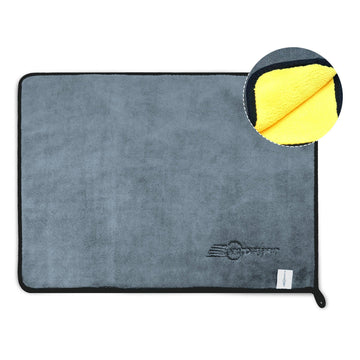
Dry the entire car with a clean, plush microfiber drying towel, working panel by panel. Don't forget door jambs, boot edges, and around the fuel cap where water pools. A properly dried car is what actually looks "showroom clean" — not just a washed one.







Step 5: Don't Ignore the Interior
Monsoon mess doesn't stay outside. Wet shoes, dripping umbrellas, and humidity bring mud and moisture into the cabin, which leads to that familiar musty monsoon smell.
- Remove and wash floor mats; let them dry completely before putting them back.
- Wipe door sills and pedal areas where shoes deposit mud
- Vacuum carpets to remove dried mud particles
- Keep windows cracked (when parked safely) or run the AC in fresh-air mode occasionally to fight humidity and odour.
Extra Monsoon Car Care Tips for Indian Conditions
Protect before it rains. A coat of wax or sealant before monsoon makes every wash easier — mud releases from a protected surface far more readily.
Park smart. If covered parking isn't available, a good-quality water-resistant car cover shields your paint from continuous rain exposure, tree sap, and bird droppings (which multiply during monsoon).
Check drainage points. Clear leaves and debris from the windshield cowl and sunroof drains so water doesn't back up into the cabin.
Watch for rust early. Inspect lower door edges and underbody monthly during monsoon. Early surface rust is a cheap fix; ignored rust is not.
When Should You Go for Professional Car Detailing?
A home wash handles routine monsoon mud. But consider professional detailing if:
- Mud or water stains have sat on the paint for weeks and won't wash off
- You can see water spot etching or light swirl marks in sunlight
- The interior has developed a persistent damp odour or visible mould
- You want paint protection (wax, sealant, or ceramic coating) applied before or after the season
For everything in between, consistent DIY care with the right products keeps your car in excellent shape through the rains.

How Neodrift Helps You Win the Monsoon
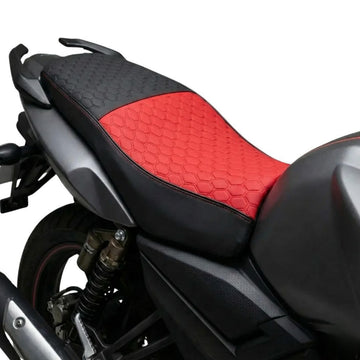
Cleaning is only half the battle — protection is the other half, and that's where Neodrift fits in. Neodrift offers made-to-order, model-specific car accessories designed for Indian road and weather conditions: water-resistant car covers that shield your paint through continuous rain, 7D floor mats that trap monsoon mud and slush before it reaches your carpet (and rinse clean in minutes), seat covers that handle damp-weather wear, and the Shine-Kit detailing range with microfiber cloths and cleaning essentials for exactly the wash routine described above. Because every cover and mat is tailored to your specific car model, coverage and fit aren't left to chance — which matters most in the season when your car needs it most. Explore the full monsoon-ready range at Neodrift.
Frequently Asked Questions
How soon should I wash my car after driving in the rain?
Ideally within 24–48 hours. The longer mud and mineral-rich rainwater sit on the paint, the harder they bond and the higher the risk of water spots, staining, and scratches during cleaning.
Can I remove dried mud from my car without scratching the paint?
Yes — never wipe dried mud with a dry cloth. Soak the area with water for 2–3 minutes to soften the mud, rinse thoroughly, then wash with car shampoo and a microfiber mitt. Water does the work; friction causes scratches.
Is it okay to use dishwashing liquid to wash my car?
No. Household detergents strip wax and protective coatings along with dirt, leaving paint exposed. Use a pH-balanced car shampoo made for automotive surfaces.
Should I cover my car during the monsoon?
Yes, if you park outdoors. A well-fitted, water-resistant car cover protects against continuous rain, tree sap, bird droppings, and dust — all of which increase during the monsoon. Ensure the car and cover are dry before covering to avoid trapping moisture.
How do I get rid of the musty smell in my car during the rainy season?
Dry floor mats completely, vacuum carpets, run the AC with fresh-air intake periodically, and address any water leaks. Persistent odour usually means trapped moisture in mats or carpets.
Conclusion: A Little Care Goes a Long Way
Cleaning mud off your car after rain isn't a chore that needs a professional every time — it needs the right sequence. Rinse first, shampoo second, wash wheels separately, dry properly, and don't forget the cabin. Do this consistently through the monsoon and your car will hold its shine — and its resale value — long after the season ends.

Keep Reading, Keep Learning with us! Neodrift India
Also, for more automotive news, follow us on Neotips!